Programmable Logic Controllers
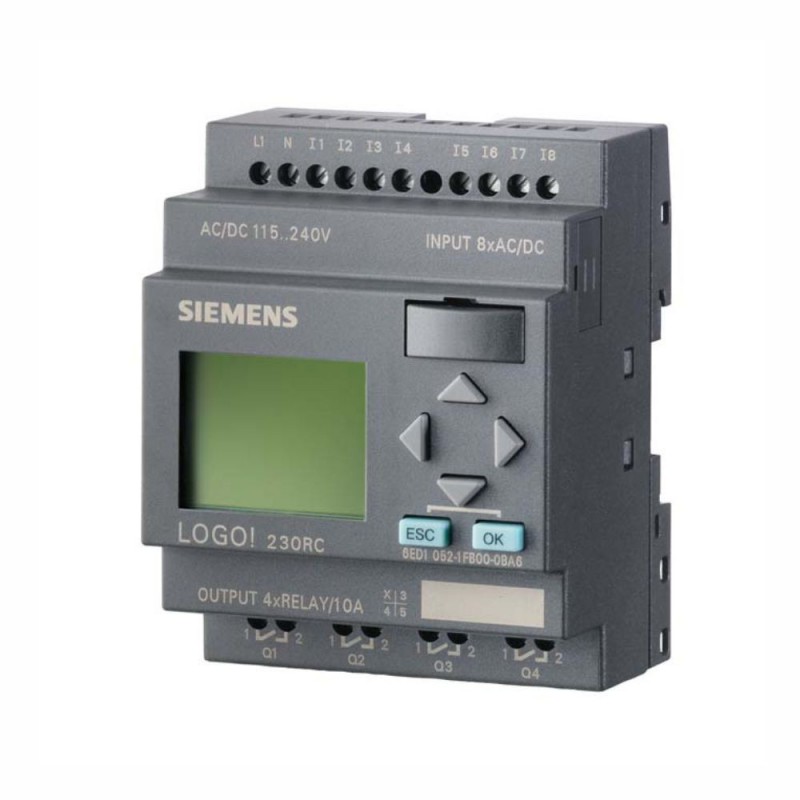
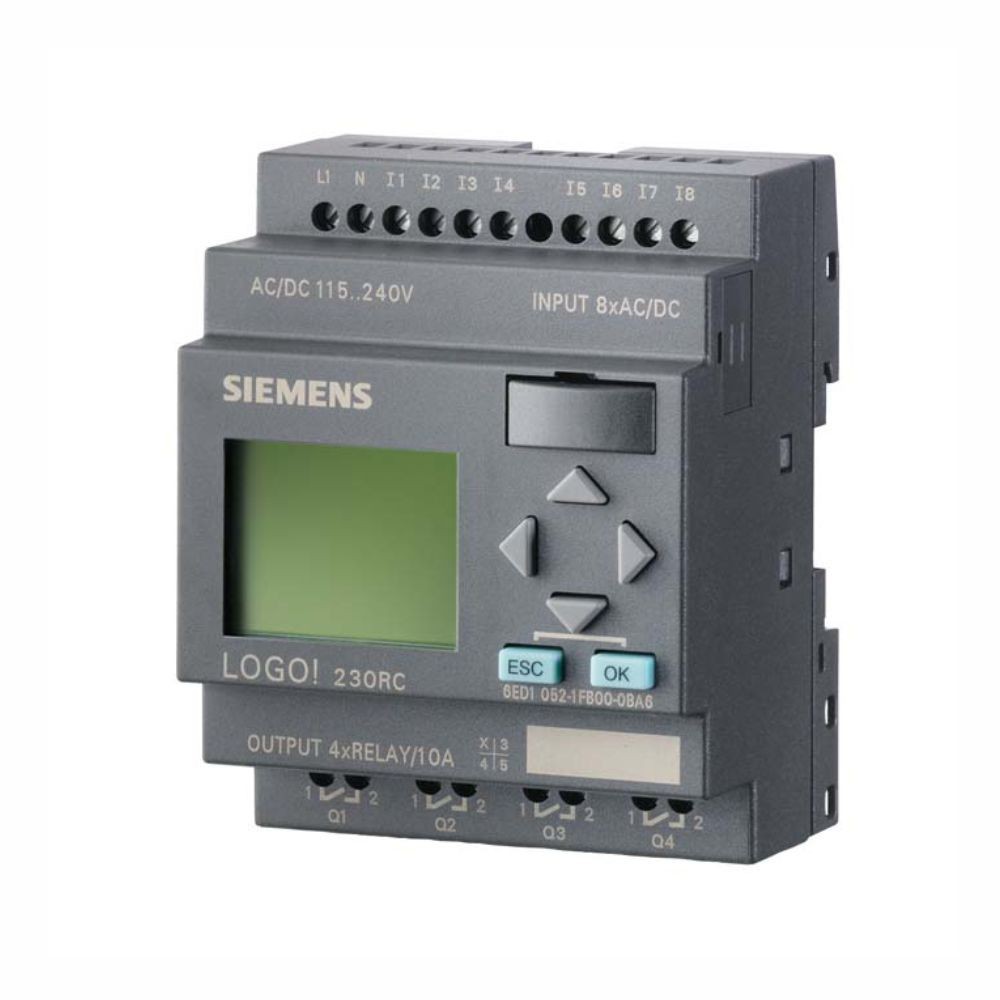
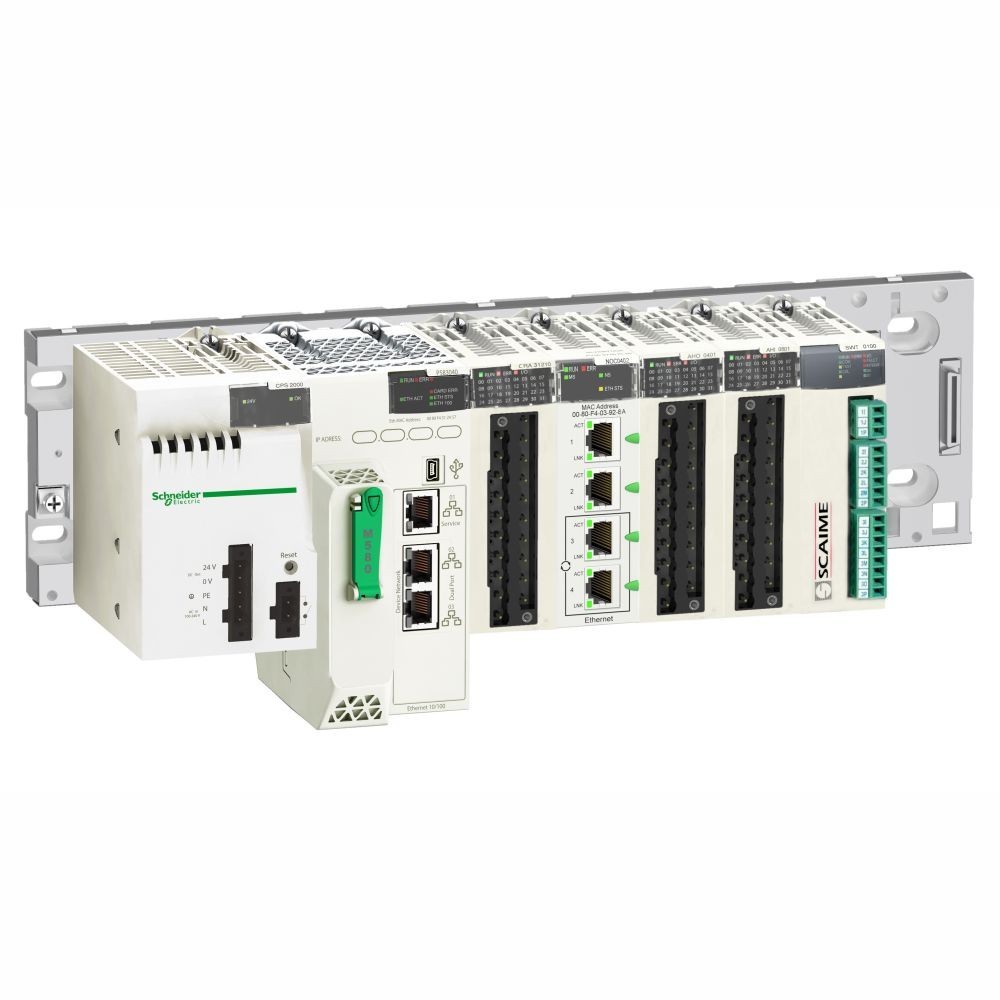
Programmable Logic Controllers (PLC) are electronic devices that control the operating regimes of machines and processes. The PLC receives signals via its inputs, processes them using a programme and then sends signals to its outputs. The role of these devices is to transmit the command signal (tension) to the execution element (relay) according to the commands in the program


Description:
Programmable Logic Controllers (PLC) are electronic devices that control the operating regimes of machines and processes. The PLC receives signals via its inputs, processes them using a programme and then sends signals to its outputs. The role of these devices is to transmit the command signal (tension) to the execution element (relay) according to the commands in the program. Throught the program, there can be driven inputs and outputs, can be measured times and perform computing operations. Main features of the PLC are: the maximum number of inputs / outputs, memory capacity and processing speed. The PLCs replace the circuits with relays in the automation panels of different machines and they were designed to resiste to severe conditions, being resistant to vibration or impact.
Specifications:
- Central unit consists of: processor, arithmetic calculation unit and different types of memory, RAM, Flash type
- Modules Input / Output
- In and out registers
- Data Memory
- Internal registers
- Timing and counting circuits
Applications:
- For measurement, control, monitoring and communication applications, in different industries: pressure, flow, temperature, level regulation etc
- Machine tools, injection machines, presses, molding lines or medium complexity electroplating, transfer lines, manipulators, industrial robots etc
Strengths:
- It can be used to replace traditional relay control panels
- Simulations in real time prevent or remove any faults and / or blockage of the system, the ones that can destroy or temporarily impair its components
- Reduced costs, regardless the system's compexity
- The number of conductors is reduced by 80%
- Error detection can be made very quickly and very easy
- Flexibility, reliability
Ask for more details